A cold room is not always caused by the glass. Sometimes the real problem is the thin rubber seal around the window.
That is why uPVC window seals matter more than many homeowners realise. They help the sash close tightly against the frame, reduce draughts and support the overall comfort of the room. If you are comparing the wider performance of modern uPVC windows, seals are one of the smaller details that can make a very noticeable difference in daily life.
What do uPVC window seals actually do?
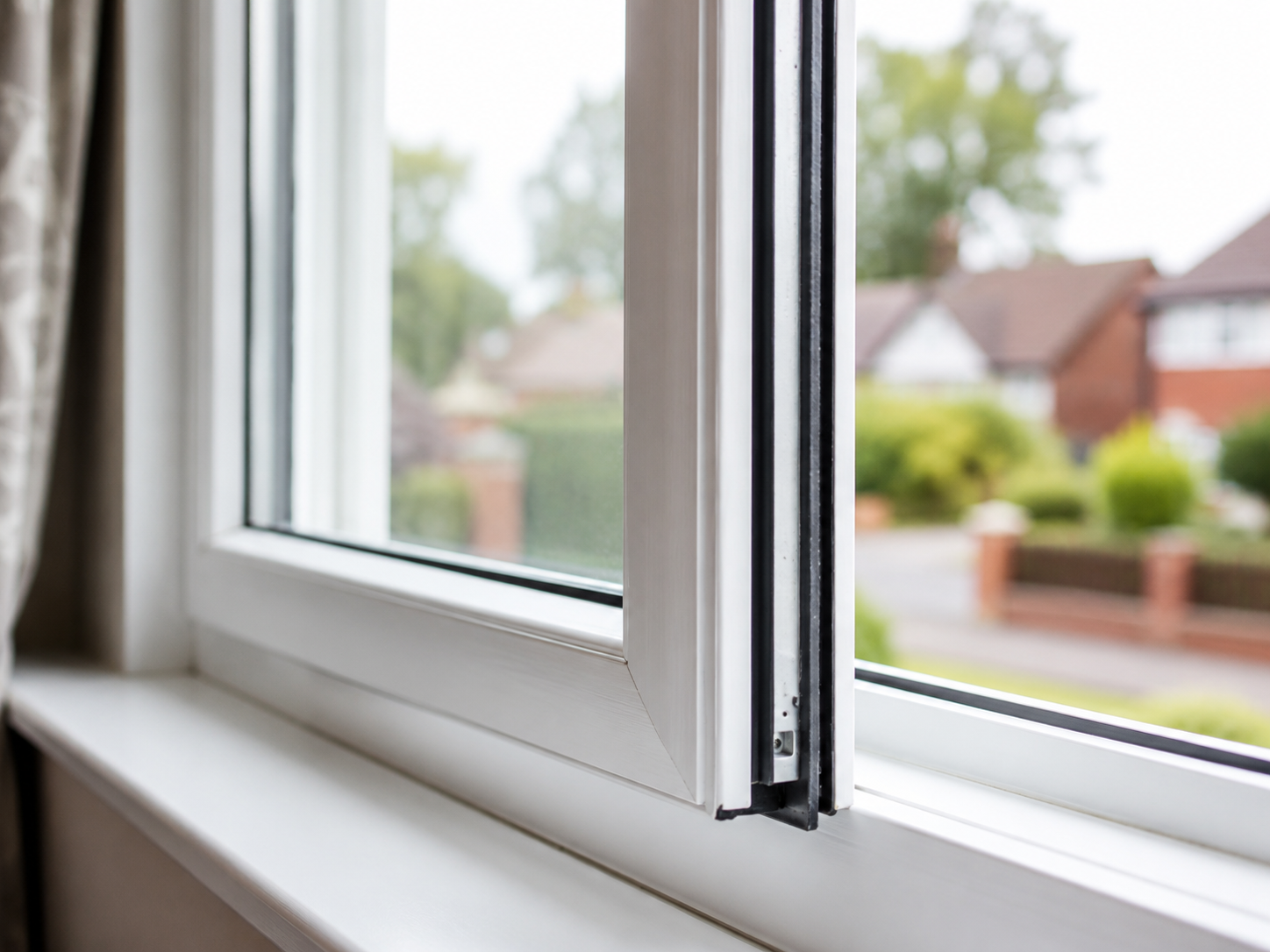
The seal, often called a gasket, sits around the opening part of the window and helps create pressure when the window closes. When it works properly, the window should feel firm, quiet and well sealed.
When the seal wears down, shrinks or becomes brittle, the window may still close, but it may not close tightly enough.
Common signs include:
- cold air around the frame
- whistling noise in windy weather
- visible gaps near the sash
- split, shrunken, brittle or permanently flattened rubber seals
- uneven contact between the gasket and the closing sash
- the handle closing too easily with little resistance
The solution is to check whether the issue is truly the seal, or whether the sash has dropped, the hinges are worn, or the locking points are no longer pulling the window in properly.
If the window feels stiff, dropped or difficult to close, our guide on uPVC window hinges explains how hinge problems can also cause draughts and poor sealing.
Can uPVC window seals be replaced?
Yes, in many cases they can.
If the frame and glazing are still in good condition, replacing the gasket can be a sensible repair. The important part is matching the correct seal profile. uPVC window seals are not all the same shape, and forcing the wrong one into the frame can make the window harder to close or fail to seal properly.
Ask the window manufacturer or a repair specialist to identify the gasket profile first. Some seals are integrated into the frame and are not designed to pull out. Avoid cutting or removing a working seal just to obtain a sample.
For homeowners, the key question is simple:
Is the seal worn, or is the whole window system failing?
That distinction matters because a seal replacement is a small repair. A poorly aligned or ageing window may need more than new rubber.
What type of seal should you look for?
For replacement seals, quality matters. A cheap, poorly matched gasket may improve things briefly but fail to solve the real comfort issue.
Ask whether the replacement is:
- the correct profile for your window system
- suitable for compression sealing
- resistant to weathering
- fitted cleanly around corners
- checked after installation for proper closing pressure
EPDM-style rubber gaskets are commonly used in window and door systems because they are designed to cope with weathering and movement. The exact product should still match the window profile, not just the colour or thickness.
When is seal replacement enough?
Seal replacement usually makes sense when:
- the window frame is still solid
- the glass unit is not failed
- the handles and hinges work properly
- the draught is mainly around the opening sash
- only one or two windows are affected
In this situation, replacing the seal may restore comfort without the cost of a full window replacement.
A simple test is to close the window on a thin piece of paper. If the paper pulls out very easily in one area, the sash may not be compressing properly there. That does not prove the seal is the only problem, but it gives you a useful clue.
When new windows may make more sense
If several windows are draughty, stiff, misted between panes or difficult to lock, the seals may only be one part of a bigger issue.
At that stage, replacing seals, handles and hinges separately may become less cost-effective. It may be smarter to compare repair costs against a full replacement plan, especially if the windows are older and already causing comfort problems throughout the home.
Our article on how long uPVC windows last is useful here because ageing seals are often one of the first signs that a window is moving towards the end of its practical life.
How seals affect warmth and energy efficiency
A modern double-glazed unit can only perform properly if the frame closes and seals correctly. Even good glass will struggle if cold air is moving around the sash.
The best solution is a combination of:
- good-quality glazing
- correctly fitted seals
- properly adjusted hinges
- secure locking points
- professional installation
If you are considering replacing several windows, it is worth checking realistic prices before speaking to installers. The Double Glazing Cost Calculator on Bestpricevalue.com can help you compare likely UK price ranges before requesting quotes.
uPVC window seal FAQs
Will new seals fix misting between the panes?
No. The opening-sash gasket and the sealed glass unit perform different jobs. Moisture trapped between panes usually points to a failed sealed unit; changing the rubber around the sash will not repair it. Ask whether the glass unit can be replaced while retaining a sound frame. Condensation on the room-facing surface alone does not prove that a gasket has failed.
Can better seals reduce traffic noise?
Closing unintended air gaps can help, but new gaskets cannot make a window soundproof. If noise remains after the sash and seals have been checked, our guide to acoustic glazing for uPVC windows explains the next questions to ask about glass, frames and installation.
Should I seal trickle vents or drainage openings?
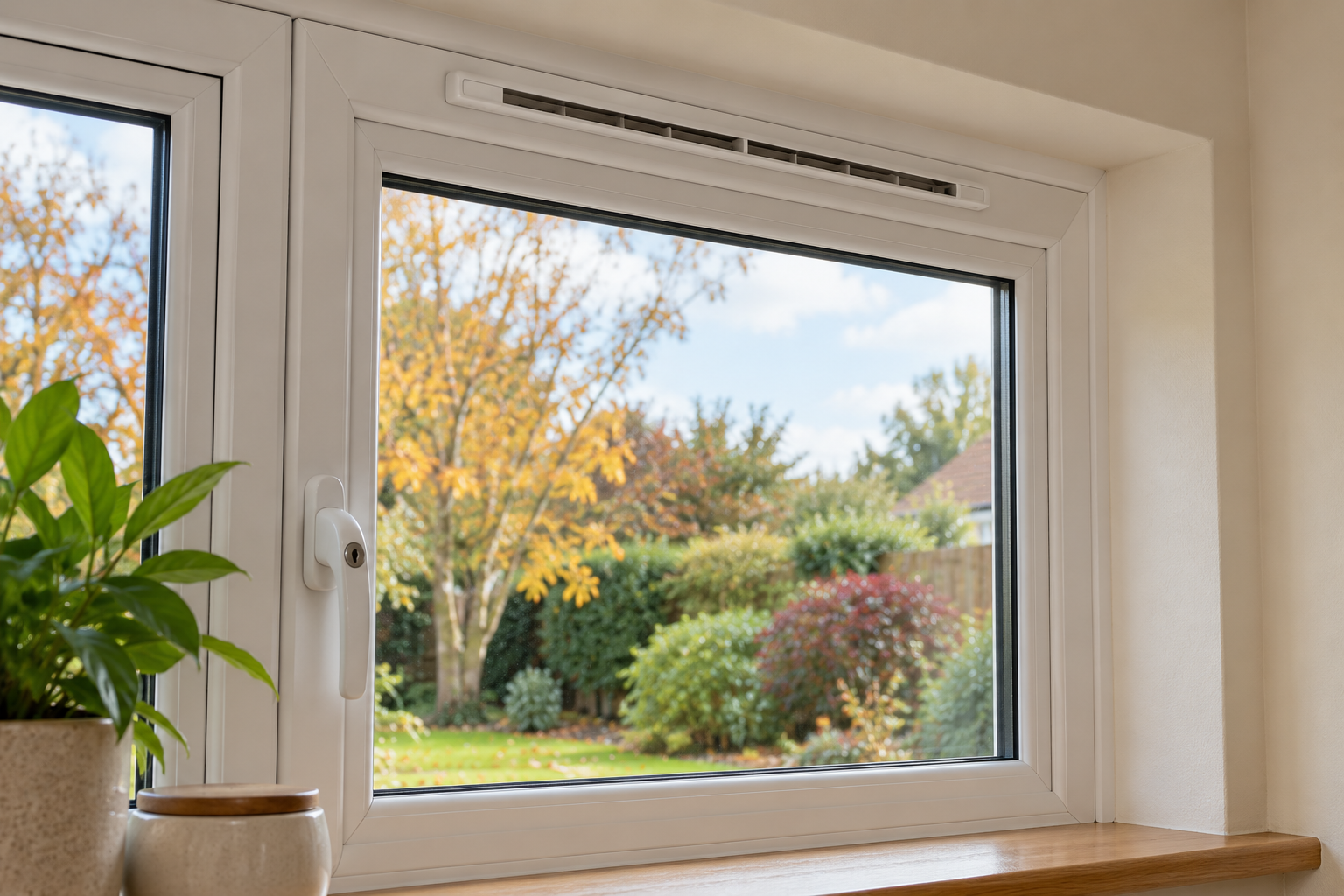
No. Repair unintended leaks around the sash without blocking designed ventilation or drainage. If you cannot identify the source of a draught, ask a repair specialist to inspect the window before adding sealant.
What should a repair quote include?
Ask for the gasket profile, the windows covered, any hinge or lock adjustment, labour and a closing check after fitting. Compare this repair price with a replacement quote only where the condition of the whole window justifies it. Our calculator gives a replacement-window budget, not a gasket-repair quotation.
Final thoughts
uPVC window seals are small, but they can have a big effect on comfort. If the frame and glazing are still good, replacing the seal may be a sensible repair. If multiple parts of the window are failing, new windows may offer better long-term value.
The smartest approach is to diagnose the real cause first: seal, hinge, handle, lock or glass unit. Once you know that, it becomes much easier to decide whether a repair is enough or whether replacement makes more sense.
For more practical home improvement advice and project updates, follow Bestpricevalue.com on Facebook.