
uPVC Windows
Compare styles, glazing, security and replacement costs
Replacing your uPVC windows? Compare opening styles, glazing and the complete fitted cost before choosing an installer. uPVC (also called PVCu) is a low-maintenance frame material available in casement, flush, sash and tilt-and-turn designs.
Start with an indicative budget, then compare written quotations for the same window sizes, glass, security and installation work.
Estimate my window costRequest installer quotes
Bestpricevalue.com provides a free quote-comparison and customer-matching service. Installer availability depends on your area and project. The installer surveys your home and confirms the specification and final price.
Repair or replace? Misted glass, draughts and stiff handles do not always require a new frame. Check the repair options first.
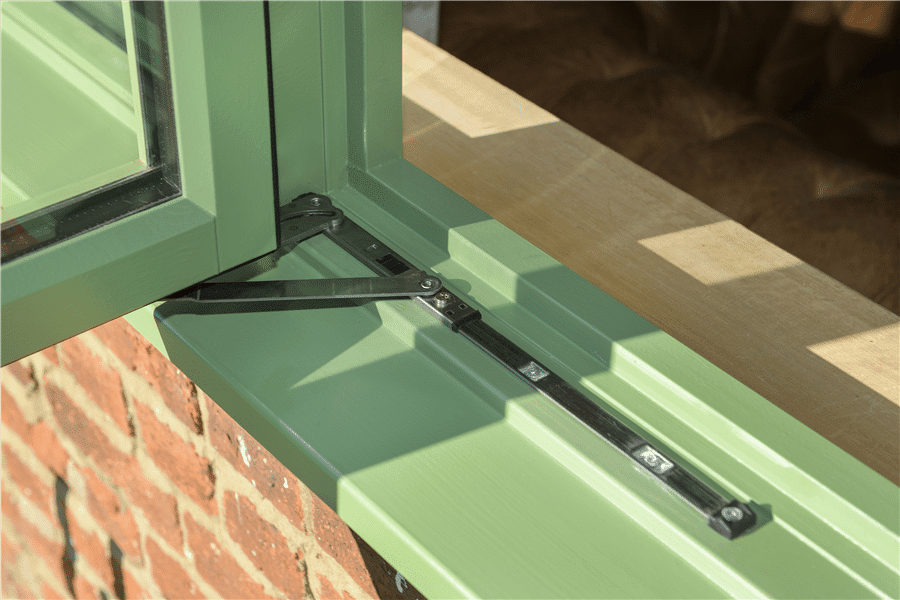
Table of Contents
What are uPVC windows?
uPVC stands for unplasticised polyvinyl chloride. It is a rigid plastic used to make window frames and opening sashes. PVCu is another name for the same material. The glass is a separate component: a uPVC frame can be specified with double or triple glazing.
Multi-chambered profiles help limit heat transfer. Reinforcement, seals, hardware and the quality of the installation also affect how the complete window performs. Profile depth varies by system; 70 mm is a common example, rather than a universal standard.
Ask for the manufacturer and system name, the certified whole-window energy performance and the security specification on your quotation. A material name or an energy-rating claim alone does not tell you what you are buying.
Pros and cons vs aluminium and timber
Benefits of uPVC windows
Cost-effective – usually the lowest upfront price for a given specification.
Energy efficient – multi-chambered frames and suitable glazing can reduce heat loss. Compare certified whole-window performance and ask the installer to confirm the requirements applicable to your project.
Low maintenance – no painting; just washing down and occasional hardware lubrication.
Good acoustic performance – the result depends on the glass, seals and installation. Request tested acoustic figures for the proposed window if noise is a priority.
Versatile styles – casement, tilt & turn, sash, flush frames and shaped windows are all possible.
Colour choice – modern foiled finishes include greys, creams, greens and timber-effect grains.
Limitations of uPVC
Frame proportions – thicker sightlines than slimline aluminium. On very contemporary properties you may prefer aluminium for a sharper look.
Thermal movement – profiles move with temperature. The system’s reinforcement, fitting clearances and installation instructions matter, particularly for large windows and dark finishes.
Colour stability – good foils are very stable, but very dark colours on south-facing elevations can run warmer; this is where top-tier profiles and glass spec matter.
Recyclability – modern uPVC can be recycled several times, but not every local firm uses recycled content yet. Ask the question if sustainability is a key concern.
Where aluminium or timber can be better
Very large panes or minimal frames – slimline aluminium handles bigger spans with less frame.
Heritage conservation areas – some councils still prefer timber, especially for front elevations and listed buildings.
High-end architectural look – powder-coated aluminium often gives the crispiest sightlines and can match other architectural metalwork.
For most standard UK homes, though, well-specified uPVC wins on value for money, warmth and ease of ownership.
Types of uPVC windows: which style suits your home?
Most systems offer broadly the same families of uPVC window:
Casement windows
Open outwards from side or top hinges.
Most common replacement style in the UK.
Can be “stormproof” (overlapping sash) or “flush” (sash sits level with frame).
Tilt & Turn
Open inwards: tilt at the top for ventilation, turn from the side for full opening.
Popular in flats or where external access for cleaning is difficult.
Vertical sliding sash
Mimic traditional timber sashes with top and bottom sashes that slide, often with a tilt-in cleaning function.
Good for Georgian/Victorian homes where appearance matters.
Fully reversible
Sash pivots 180° so the outside face can be cleaned from inside, useful for higher floors.
Fixed and shaped windows
Non-opening panes for picture windows, bays, gables and feature shapes.
When planning your replacement, it’s usually best to start from the existing layout (especially on the front elevation) and only change where there’s a clear gain: better egress, ventilation or daylight.
For the difference in frame appearance, see our flush casement versus stormproof window comparison. Check the actual sightlines and opener positions on the installer’s drawing before ordering.
uPVC window sizes, layouts and practical limits
Replacement uPVC windows are commonly made to measure. There is no single maximum size that applies to every system: the profile, reinforcement, hinge capacity, opening style and glass weight determine what can be manufactured safely.
Overall size versus opening size: the width and height on a quotation usually describe the frame. The clear opening for ventilation or escape is smaller. Ask the surveyor to record both where relevant.
Large openings: a fixed pane with smaller opening sections may be more suitable than one oversized sash. Compare sightlines, ventilation and access for cleaning.
Tilt-and-turn windows: check the manufacturer’s size and weight limits and allow room for the sash to open inward without hitting taps, blinds or furniture.
Escape and safety: ask the installer to confirm the applicable escape-opening, safety-glazing and ventilation requirements for the room and UK nation. Do not order from approximate measurements alone.
For a useful preliminary quote, list the number of windows, approximate frame dimensions, opening style, colour, floor level and access restrictions. Final manufacturing dimensions should be confirmed by the installer’s survey, including the condition of the surrounding opening and any structural work.
Are there standard uPVC window sizes?
Stock windows are sold in set sizes, but replacement frames are often made to measure. A label such as 1200 × 1200 mm describes nominal width and height; it does not confirm that the frame fits your opening or provides a suitable escape opening. Ask whether dimensions include the sill or add-on profiles.
For budgeting, measure approximate width and height for each existing window and note the room, floor level and number of opening sections. Use those measurements only for an estimate. Let the surveyor confirm manufacturing dimensions, tolerances and any structural work before you order.
Energy efficiency, U-values and glazing choices
Compare the performance of the complete window, including the frame and glazing. A glass-only figure does not describe the whole installed product.
BFRC Window Energy Ratings (WER)
Rating scale lets you compare certified products. Check the rating of the exact window offered rather than assuming it from the number of glass panes.
Based on whole-window performance: U-value (heat loss), solar gain and air leakage.
U-values
Measure how much heat passes through the window (lower is better).
What to check:
Ask for the whole-window U-value, expressed in W/m²K, on the quotation.
Compare products of the same style and size where possible.
Have the installer confirm compliance for your location and project; a U-value alone does not demonstrate every Building Regulations requirement.
Standard double-glazed units usually use low-E glass, argon gas fill and warm-edge spacer bars to cut down heat loss and condensation. Triple glazing adds an extra pane and spacer cavity; it can reduce heat loss, but adds cost and weight. Noise performance depends on the pane thicknesses, cavities, acoustic glass and seals, so ask for tested acoustic performance rather than assuming triple glazing will be quieter.
Glazing options to think about
Laminated glass – holds together if broken, improves security and often helps with noise.
Toughened glass – one safety-glazing option; the installer should specify suitable safety glass for the location.
Obscure / patterned glass – for bathrooms and privacy areas.
Solar-control glass or tints – useful on large south- or west-facing panes to limit overheating.
If you’re unsure where your spec sits, use our Double Glazing Cost Calculator to see how price changes with double vs triple glazing, and then confirm exact U-values on the written quote.
The Glass and Glazing Federation explains Window Energy Ratings: solar gain and air leakage are included alongside heat loss. A letter rating therefore cannot be converted directly into one fixed U-value.
If traffic noise is a concern, read our acoustic glazing guide for uPVC windows. It explains why pane thickness, laminated glass, seals and tested acoustic performance matter when comparing quotations.
Security & certification
Good security is a combination of hardware, glass and testing. For uPVC windows, look for:
Core standards
PAS 24 – enhanced security test that simulates an opportunistic burglar using common tools on the frame, sash, locks and glazing beads.
BS 7412 / BS EN 12608 – show that the window system has been tested for durability, weather resistance and fabrication quality.
Police-backed scheme
Secured by Design (SBD) – the UK police initiative for crime-resistant products. Check that the exact proposed window product has the relevant accreditation; a list of hardware features alone is not proof of certification.
Industry bodies & self-certification
BFRC – verifies window energy performance; this is separate from security accreditation.
FENSA, Certass or similar – ask which certification route covers your installation. FENSA operates for eligible replacement installations in England and Wales; requirements and routes differ across the UK.
BBA certification – where a BBA assessment is offered, read the certificate for the exact system, scope, conditions and durability assessment. It is not an installation guarantee.
Hardware details worth checking
Multi-point locking with security shootbolts.
Handle and locking arrangements suitable for the location, including any required escape opening. Ask how security and safe escape are both addressed.
Hinges with built-in security features or hinge protectors.
Night-vent positions that are clearly explained as “ventilation only”, not secure locking.
When you compare quotes, ask each company which of these standards their proposed windows meet, and whether the exact combination on your contract is covered by those test reports.
Ask for the standard edition, certificate and tested specification that apply to the proposed product. See the Secured by Design window guidance and our uPVC window security guide for questions to ask about locks, glazing and accessible windows.
See FENSA’s homeowner guidance for its scope and certificates, and BFRC’s explanation of energy ratings for the separate energy-performance assessment.
Colours, finishes and style trends
Traditional white uPVC is still the volume seller, but colour has moved mainstream.
Common options
Smooth white – clean, bright, lowest cost.
White woodgrain – gives a timber-like surface but keeps the classic white look.
Greys and greens – anthracite grey, sage green and similar shades suit modern and cottage-style homes.
Timber effects – Golden Oak, Rosewood / dark woodgrain and dual-colour combinations (timber-effect outside, white inside).
Design touches
Flush casements and mock sash horns to echo traditional timber.
Georgian bars (internal, surface-mounted or “astragal”), leaded patterns and decorative glass.
If you’re planning a larger project like a new conservatory or orangery, consider how window and door colours tie in with the rest of the scheme – you can cross-reference our uPVC Door and Orangery guide for ideas.
uPVC window costs: compare the complete fitted price
There is no single fitted price for a uPVC window. Size, opening sections, frame system, finish, glass, access and installation work all change the cost. A supply-only price is not directly comparable with a surveyed, installed quotation.
Use our double glazing cost calculator for an indicative budget based on your dimensions and choices. Its result is an estimate, not a surveyed quotation or a guaranteed price. Enter each window separately where sizes or opening styles differ.
| Price item | Ask the installer to confirm |
|---|---|
| Windows and glazing | Number, dimensions, opening sections, frame system, colour, glass and whole-window energy performance. |
| Installation and access | Fitting, scaffolding or other access equipment, and any lintel or structural work. |
| Removal and finishing | Old-frame removal, disposal, internal and external making good, trims and sills. |
| Total and aftercare | VAT, exclusions, payment stages, certification route and separate guarantees for frames, sealed units, hardware and fitting. |
Ask for coloured finishes, flush frames, sash mechanisms, acoustic glass and triple glazing to be priced as separate options. Compare the same specification across quotations rather than the headline discount.
Guarantees and lifespan
Service life depends on the product, exposure, maintenance and installation. Frames, sealed glass units and moving hardware can have different guarantee periods and may need attention at different times. Read the actual terms, exclusions, transfer conditions and aftercare arrangements; a durability assessment is not a promise that every component will last that long.
Misted glass, draughts or stiff handles should be assessed before full replacement. Compare the repair and replacement options in our uPVC window repair guide.
Request installer quotations for your window project. Our matching service is free to homeowners; availability depends on your area and project. The installer confirms the final specification and price after surveying.
What to look for when buying uPVC windows
Use this checklist when you invite companies to quote:
Specification
What frame system and profile class is being used? (Look for systems tested to BS EN 12608 and BS 7412.)
What is the whole-window U-value and BFRC rating for each main window type?
Is the quote PAS 24 and/or Secured by Design as standard or as an optional upgrade?
Which glass type is included in each location (toughened, laminated, obscure)?
Design & practicalities
Are fire-escape routes compliant?
How will trickle vents, safety glass and opening sizes comply with Building Regulations?
Are any lintel or structural works required? Who is responsible for them?
Company reassurance
Which Building Regulations certification or approval route applies to this project and location? If a competent person scheme is proposed, is the installer’s current registration valid for this work?
What are the guarantee periods for frames, sealed units and hardware?
How are service calls handled if something needs adjusting later?
Getting clear written answers to these questions makes it much easier to compare quotes and ensures you’re paying for a specification that really suits your home – not just the cheapest glass and hardware an installer can get away with.
Ask how gaps and edges around the new frames will be finished. Our uPVC window trim guide explains the difference between decorative finishing and the sealing work a good installation needs.
When uPVC windows are – and aren’t – the right choice
uPVC windows are usually the best fit when:
you want strong energy performance without paying aluminium prices
you’re refurbishing a typical UK house or bungalow built from the 1950s onwards
you value low maintenance and good sound insulation
you’re replacing windows as part of a wider project (conservatory, orangery, roof trim) and want a matching suite of products
You might lean towards aluminium or timber when:
you’re in a strict conservation area or working on a listed building
window openings are very large and you want the slimmest possible frames
the architectural style of the property calls for a particular material (for example, painted timber on a period terrace)
Subject to any planning or consent restrictions, one option is to mix: uPVC on the sides and rear elevations for value, with timber or aluminium on the most visible front elevation.
uPVC window FAQs
Are uPVC windows still a good choice for replacement windows?
Modern uPVC windows can be a practical replacement option when you want low maintenance and a choice of opening styles. Compare the certified performance, security, appearance and fitted price of the actual product. Suitability and compliance depend on the specification, installation and your project.
What U-value or energy rating should I aim for?
Ask for both the whole-window U-value and the Window Energy Rating for the exact product. A lower U-value means less heat loss; the energy rating also includes solar gain and air leakage, so the two measures are not interchangeable. Ask the installer to confirm the requirements that apply to your project and UK nation.
How long do uPVC windows last?
There is no guaranteed lifespan for every uPVC window. The frame, sealed glass unit, seals and hardware can age at different rates. Exposure, installation and maintenance matter. Check the manufacturer’s product information and the installer’s written guarantee, including exclusions and cover for each component.
Do I need planning permission to replace windows?
Check the rules for your property and UK nation before ordering, especially for listed buildings, conservation areas, flats or changes to the opening or appearance. Planning consent and Building Regulations are separate matters. Ask the installer which approval or certification route applies; FENSA covers eligible replacement installations in England and Wales.
Can uPVC windows help with noise from a busy road?
Yes – but the frame material is only part of the story. Acoustic performance mainly depends on the glass configuration (pane thicknesses, gaps, laminated glass) and how well the window is sealed to the wall. If noise is a key concern, ask specifically for acoustic or laminated glazing options and for dB reduction figures based on tested units.
Are uPVC windows made in standard sizes?
Many replacement windows are made to measure. A stock size is not a substitute for a site survey: the installer must allow for fitting tolerances, frame reinforcement, glass weight and opening requirements. Compare the overall frame size and the usable opening separately.
What affects the cost of uPVC windows?
The number and size of windows, opening style, colour, glazing, access and installation work all affect the quote. Ask whether VAT, removal of old frames, disposal, making good and certification are included. Our double glazing cost calculator provides an indicative starting point, not a fixed quotation.
Should I repair my windows or replace them?
A failed sealed glass unit, worn gasket or damaged handle does not automatically mean the whole frame needs replacing. Ask an installer to identify the cause and compare a repair quotation with replacement. Start with our guide to common uPVC window problems; for locks and glazing, see uPVC window security.
Explore common uPVC window faults and repairs, window security and the double glazing cost calculator.