Choosing a new door used to be simple: most people chose white uPVC and moved on. Today, uPVC door colours can completely change the look of a home, especially on the front entrance.
But colour is not just about taste. It affects kerb appeal, maintenance, resale appeal and even how modern the property feels from the street. If you are comparing replacement options, our uPVC Doors Guide is the best place to understand styles, security and what to check before requesting quotes.
Why door colour matters more than people expect
A front door is one of the first details people notice. A tired white door can make a property feel older, while the right colour can make the same entrance look sharper and more premium.
The key is to choose a colour that suits the house, not just the colour that looks good in a showroom.
For example:
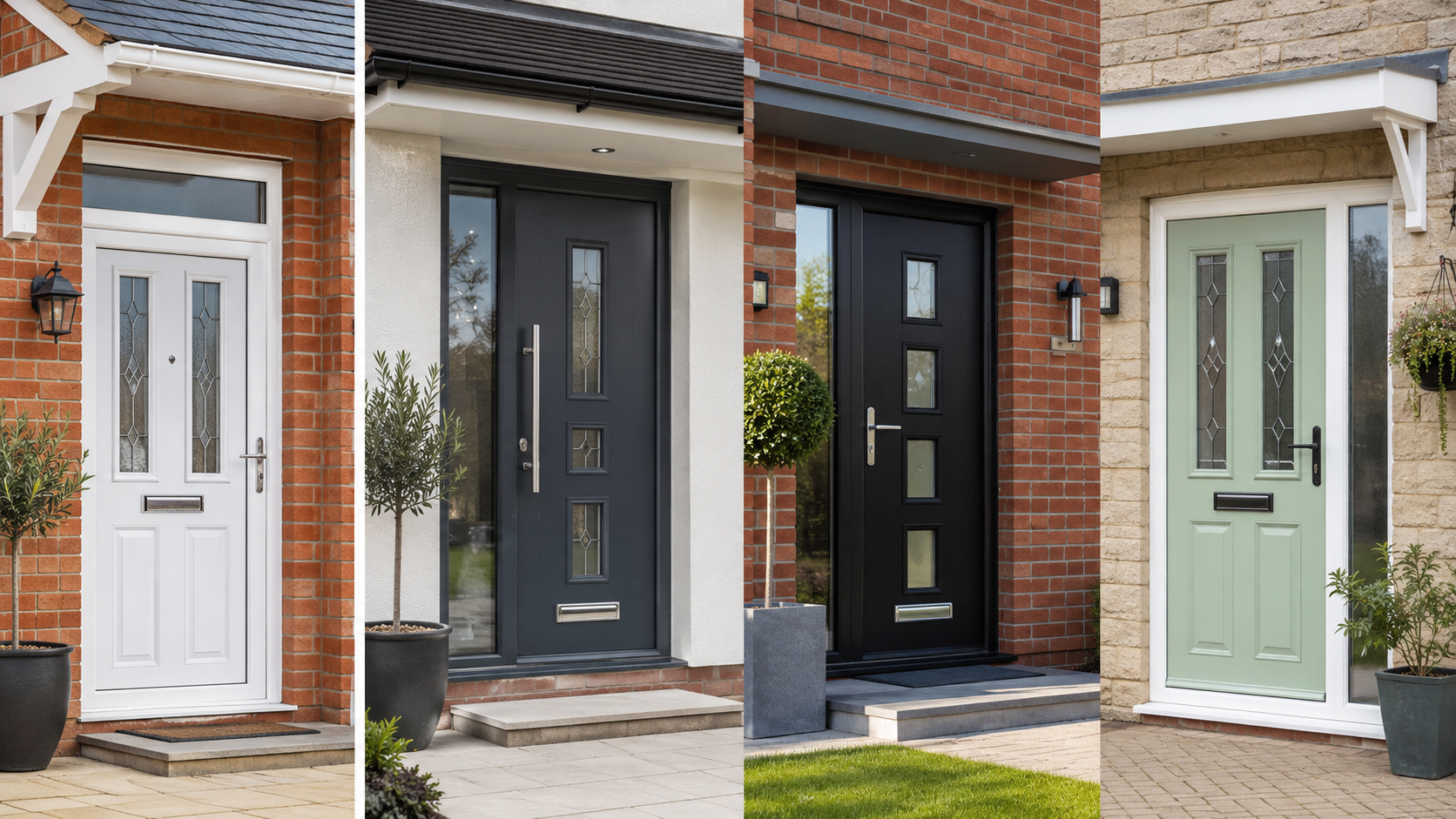
- anthracite grey often suits modern extensions and rendered homes
- black can work well on traditional brick properties
- Chartwell Green gives a softer cottage-style look
- white is still practical and usually the safest budget option
- woodgrain finishes can add warmth without needing timber maintenance
The solution is to match the door colour to the brickwork, window frames, roofline and overall style of the home.
White uPVC doors: still practical, but not always exciting
White remains popular because it is clean, simple and usually cost-effective. It can suit many UK homes, especially where the windows are also white.
The main advantage is price. A standard white uPVC door will often be cheaper than coloured or foiled finishes.
The drawback is that white can look basic on some properties. It may also show dirt, ageing and discolouration more obviously over time.
White is still a sensible choice if you want:
- a lower-cost replacement
- a clean neutral look
- a door that matches existing white uPVC windows
- broad resale appeal
If the current door is damaged, draughty or difficult to lock, colour should come after the basics. Our guide on uPVC door replacement cost explains what affects the quote before you decide how much to spend on upgrades.
Anthracite grey: the modern favourite
Anthracite grey has become one of the most popular uPVC door colours for a reason. It gives a sharper, more modern look without being as harsh as black.
It works especially well with:
- grey windows
- aluminium bifold doors
- modern porches
- rendered homes
- new extensions
- contemporary handles and hardware
The best solution is to check whether the door is grey on the outside only or both sides. Some homeowners prefer anthracite externally but white internally, especially if the hallway is small or dark.
Also ask whether the colour is a proper foil finish and what warranty applies. A good-quality foiled uPVC door should be designed for external weather exposure, but the finish and guarantee can vary by supplier.
Black uPVC doors: smart but needs the right house
A black uPVC door can look very strong on the right property. It works well with red brick, period-style homes and traditional entrance designs.
The risk is that black can look heavy on a small or shaded entrance. It can also show dust and marks more clearly than mid-tone colours.
Black is usually best when paired with:
- smart chrome or brushed steel hardware
- clean glazing panels
- good external lighting
- simple surrounding colours
If you want a premium look but less contrast, anthracite grey may be the safer option.
Chartwell Green and softer heritage colours
Chartwell Green is popular because it gives a softer, more traditional feel. It can suit cottages, countryside homes, cream render and properties where black or grey would feel too modern.
Other softer colours can also work well, such as:
- cream
- sage green
- duck egg blue
- light grey
- woodgrain rosewood or oak-style finishes
These colours are usually chosen for style rather than minimum cost. If you are planning to stay in the property for several years, the right colour can make the entrance feel more personal and attractive.
Should the door match the windows?
Not always.
Matching the door to the windows creates a clean, consistent look. This is usually the safest choice if your windows are already modern and in good condition.
But contrast can work too. A coloured front door with white windows can create a strong focal point without needing to replace every window at the same time.
A good rule is:
Match for a calm look. Contrast for a feature entrance.
If the windows are also due for replacement, it may be worth planning the full frontage together. That way, the door colour, window frames, porch and roof trim all feel intentional rather than mixed over time.
What colour is best for resale?
For resale, the safest colours are usually:
- white
- anthracite grey
- black
- neutral woodgrain finishes
Very bold colours can look great, but they may be more personal. If you are improving the home before selling, choose a colour that feels fresh but not too unusual.
Anthracite grey is often a good middle ground because it looks modern but still has broad appeal.
How colour affects the final quote
Coloured uPVC doors often cost more than standard white doors. The difference depends on the supplier, finish, design and whether the colour is on one side or both sides.
A quote may change based on:
- colour choice
- woodgrain or smooth finish
- one-side or both-side colour
- decorative glazing
- handle and hardware colour
- side panels or toplights
- installation complexity
Before requesting installer quotes, it helps to benchmark likely costs. The Double Glazing Cost Calculator on Bestpricevalue.com can help you compare realistic UK price ranges for windows, doors and related glazing projects.
Final thoughts
The best uPVC door colour is not simply the trendiest one. It is the colour that suits the property, matches your plans and still feels right in a few years.
White is practical. Anthracite grey is modern. Black is smart and traditional. Chartwell Green is softer and more characterful. The right choice depends on the home around it.
Before choosing, compare the colour, finish, glazing, security and installation details together. A beautiful colour will only feel like good value if the door itself is well specified and properly fitted.
For more practical home improvement advice and project updates, follow Bestpricevalue.com on Facebook.