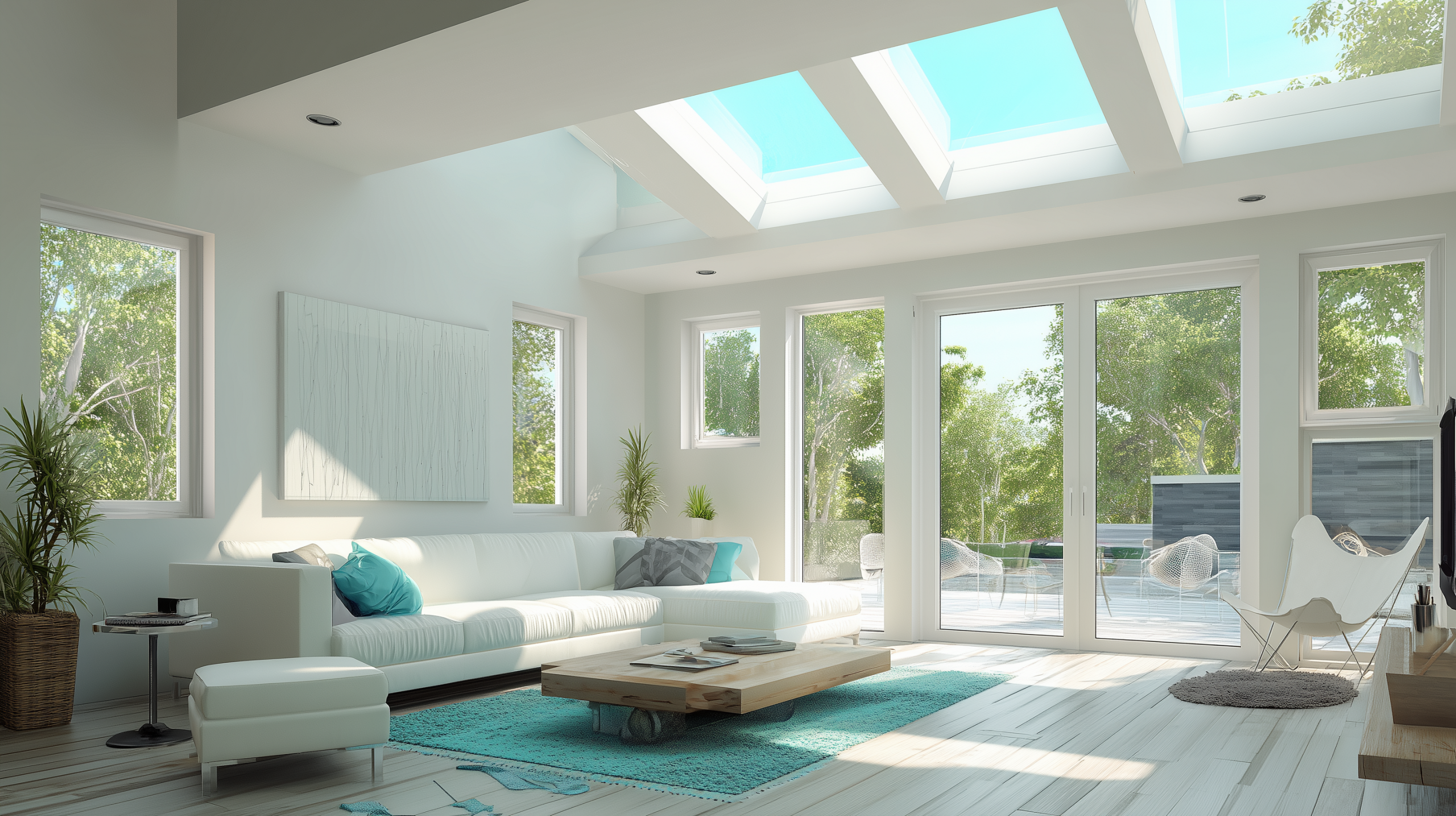
The main difference between an orangery and a conservatory is how much of the structure is solid and how much is glazed. An orangery usually has more masonry and an insulated roof surrounding a roof lantern. A traditional conservatory has a more extensively glazed roof and walls. Modern designs overlap, so the specification matters more than the label.
Choose by how you will use the room, how it connects to your home and what the complete project costs. This guide compares light, comfort, construction and approval checks without assuming either option is automatically better.
Orangery vs conservatory: key differences
| Feature | Orangery | Conservatory |
|---|---|---|
| Typical roof | Insulated solid perimeter with a glazed lantern or rooflights | Predominantly glazed in a traditional design; replacement and hybrid roofs vary |
| Walls and appearance | More solid piers or walls; can echo the main house | More glazing and garden views; frame styles vary |
| Daylight | Light concentrated through windows and roof glazing | Extensive glazing can admit more light, with glare and shading to consider |
| Comfort | More opportunity for insulated solid areas, depending on design | Depends strongly on glazing, roof, shading and ventilation |
| Project cost | More masonry and roof construction can increase the budget | A simpler structure may cost less; specification and groundworks can narrow the gap |
| Approvals | Check the actual design, property and location | Check the actual design, property and location |
For design options, read our orangery guide and conservatory guide.
Is an orangery more expensive than a conservatory?
For a similar footprint, extra masonry, an insulated roof and more internal finishing can make an orangery more expensive. But comparing two headline starting prices is misleading if one includes foundations, electrics and flooring while the other covers only the frame and glazing.
Ask both installers to price the same dimensions and scope. Separate the base and foundations, drainage, roof, glazing, doors, electrics, heating, plastering and finishes. Difficult access, ground conditions or changes to the house opening can have a substantial effect.
Use our orangery and conservatory cost calculator for an indicative budget, then confirm the assumptions and exclusions with an installer. A calculator estimate is not a surveyed quotation or a guaranteed price.
Which is warmer and better for year-round use?
An orangery is not automatically warm, and a conservatory is not automatically limited to summer. Ask for the roof, wall, floor and glazing specifications together. The room’s orientation, shading and ventilation affect overheating, while insulation, airtightness and heating affect winter comfort.
- For a sunny elevation: discuss external shading, suitable solar-control glazing and opening roof vents. A bright room still needs a plan for hot days.
- For an office or dining room: explain the hours you expect to use it and ask how heating and ventilation will be controlled.
- For a north-facing room: compare daylight needs with heat loss rather than choosing the largest possible glazed area.
- For the adjoining room: consider whether a more solid roof would reduce its daylight.
See our orangery heating ideas for questions to discuss with your designer and installer.
Planning permission and building regulations are separate checks
In England, conservatories follow the planning rules for extensions to a house. Some projects fall within permitted development, but only if all relevant limits and conditions are met. Calling the structure an orangery or a conservatory does not decide the outcome. Read the Planning Portal conservatory guidance and confirm the position for your property with the local planning authority. Rules differ across UK nations.
Building regulations are a separate question. Do not assume that planning permission is the only approval needed, or that a conservatory exemption applies to an open-plan addition. Ask building control about the proposed roof, separation from the house, heating, glazing and any structural opening before work starts.
Which option suits your home?
Consider an orangery when you want more solid wall space for furniture, a roof-lantern design and an appearance that can be coordinated with the house. Check how much daylight will reach the adjoining room and whether the full construction cost fits your budget.
Consider a conservatory when garden views and extensive glazing are priorities. Compare the comfort specification carefully if you intend to use it every day, rather than choosing solely on a low starting price.
Upgrading an existing conservatory? A roof replacement does not confirm that the existing foundations and frames can support the new design. Obtain a structural assessment and clarify approval requirements. Compare refurbishment with replacement before committing.
What should an orangery or conservatory quote include?
- Dimensions, drawings, materials and the exact roof and glazing specification.
- Foundations, drainage and responsibility for unexpected ground conditions.
- Changes to the house opening and any supporting structural work.
- Heating, ventilation, electrics, flooring and decoration, with exclusions listed.
- VAT, waste removal, access equipment and making good.
- Responsibility for approvals, inspections and completion documents.
- Payment stages, timescale, guarantees and aftercare arrangements.
Bestpricevalue.com is a UK quote-comparison and customer-matching service. We help homeowners connect with suitable installers for their project and area. Find out how to request quotes; the installer confirms the design and final price after assessing the project.
Frequently asked questions
What is the main difference between an orangery and a conservatory?
An orangery typically combines more solid wall and insulated roof area with a roof lantern. A traditional conservatory has more glazing in its walls and roof. Modern designs overlap, so compare the proposed construction rather than relying on its name.
Is an orangery always warmer than a conservatory?
No. Comfort depends on roof, wall and floor insulation, glazing, airtightness, heating, shading and ventilation. An orangery can provide more insulated solid area, but neither name guarantees year-round comfort.
Is a conservatory cheaper than an orangery?
A simpler glazed conservatory may cost less than an orangery of similar size, but foundations, access, roof specification and internal finishes can change the comparison. Ask for itemised prices covering the same scope.
Do orangeries and conservatories need planning permission?
The name does not decide permission. In England, conservatories follow the planning rules for house extensions, and permitted development applies only where its conditions are met. Check the rules for your UK nation, property and proposed design with the local planning authority.
Can I replace a conservatory roof to create an orangery?
A different roof may change the appearance, but it does not automatically create an orangery or make the structure suitable for extra loads. Have the foundations, frames and proposed roof assessed, and check building control requirements before ordering.
Which option adds more value to a house?
Neither guarantees a particular increase in sale value. Quality, usable space, permissions, garden space and local buyer demand all matter. Ask a local estate agent about comparable homes rather than assuming the project will repay its cost.