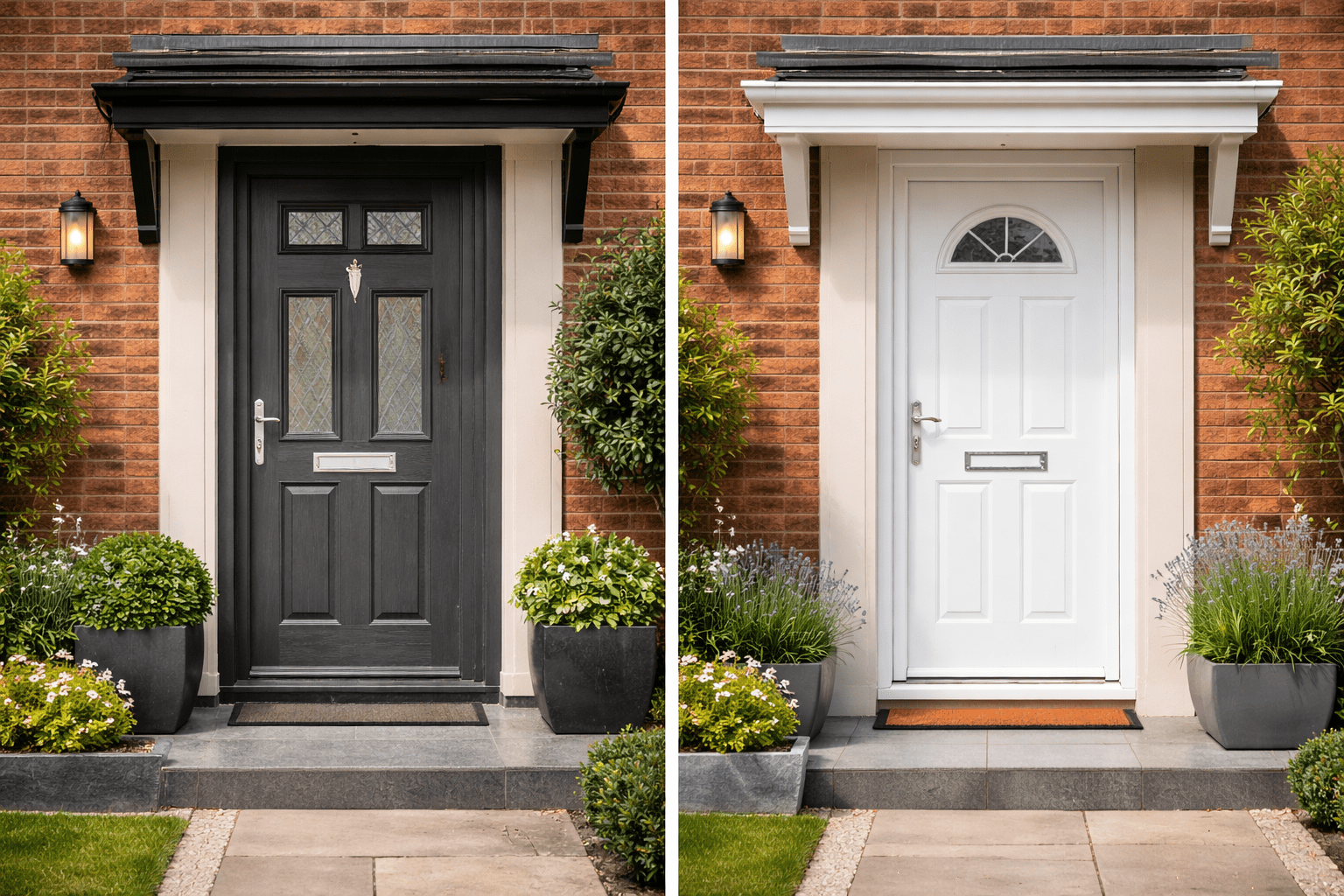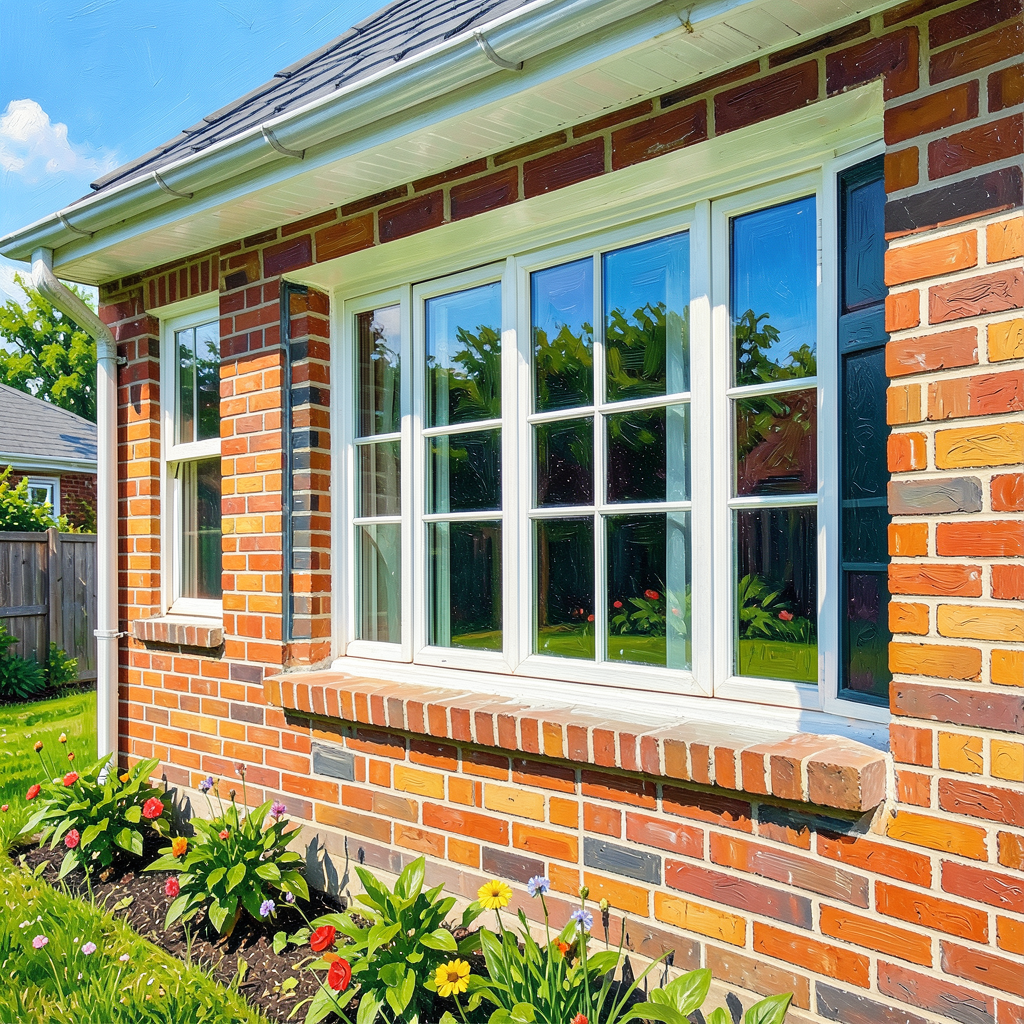
If you’ve typed uPVC window paint into Google, you’re not alone. Homeowners usually want one of two things: a colour change (white to anthracite, for example) or a quick refresh to hide scuffs and staining. Painting uPVC can work — but only if you understand what makes paint stick to plastic and what makes it fail within a year.
This guide breaks down when painting makes sense, how to get a finish that lasts, and when you’ll get better value by replacing the windows instead.
1) Can you paint uPVC windows?
Yes — uPVC windows can be painted, but uPVC is a low-energy plastic surface. That’s a fancy way of saying: paint doesn’t naturally want to bond to it. If you skip the right cleaning and bonding steps, the finish often peels at handles, corners, and the lower rail where rain and grit hit hardest.
Painting works best when:
-
your frames are structurally sound (no warping, cracking, or failed corners)
-
you’re changing colour for style/kerb appeal
-
the seals and opening parts still work smoothly
-
you accept that paint is “maintenance”, not a forever finish
2) When painting is a good idea (and when it isn’t)
Painting is usually worth it if…
-
you want a colour change without the disruption of replacement
-
the glazing is still good (no misting between panes)
-
the window performance is acceptable (no major drafts, poor closing, or swollen sashes)
-
you’re improving a rental or preparing for sale
Painting is not worth it if…
-
you have misted double glazing or failing seals (painting won’t solve it)
-
hinges or locking points are worn (the window still feels “loose”)
-
you need a meaningful energy upgrade (paint won’t change U-values)
-
the frame is chalking heavily (old uPVC breaks down; paint can struggle)
A good rule: if the issue is purely cosmetic, painting can be a smart move. If the issue is comfort, security, or ongoing maintenance, replacement often wins.
3) The 80/20 of success: prep (what most people skip)
Most “painted uPVC” failures come from poor preparation, not the paint itself.
Here’s the prep that actually matters:
-
Deep clean + degrease
Use a proper degreaser/cleaner designed to remove traffic film and silicone residue. Dish soap rarely touches the real grime layer. -
Remove silicone contamination
Old silicone, polishes, and “uPVC restorers” can stop bonding. Be careful around seals and joints. -
Lightly scuff the surface
You’re not sanding it down — you’re creating a key so primer can bite. A gentle scuff on glossy areas is usually enough. -
Mask properly
Take your time on beading, gaskets, hinges, and trickle vents. Paint on seals can cause sticking and tearing. -
Use the right primer
Look for a bonding/adhesion primer suitable for plastics/uPVC. This is often the difference between a finish that lasts vs one that flakes.
4) What paint works best for uPVC window frames?
Instead of chasing one “magic” tin, look for these features:
-
exterior-grade durability (UV + weather resistant)
-
flexibility (frames expand/contract; brittle paint cracks)
-
good adhesion to plastics (often paired with a specific primer system)
-
washable finish (especially if you’re near a road)
A satin or eggshell-style finish often looks closest to modern factory colours and hides minor surface imperfections better than high gloss.
5) Common mistakes that cause peeling (and how to avoid them)
These are the repeat offenders:
-
painting in damp/cold weather (slows curing and traps moisture)
-
skipping the primer (“the tin said it’s self-priming” — uPVC often disagrees)
-
painting over chalking without stabilising it
-
leaving dirt in corners and around handles
-
getting paint onto rubber seals (can stick shut and tear later)
-
rushing the recoat window (soft layers underneath lead to scuffs)
If you’re doing it yourself, patience is part of the product.
6) Paint vs replacement: what’s better value long-term?
Painting can be great value when it’s a cosmetic refresh. But replacement becomes the better long-term decision when you want:
-
better warmth and less condensation risk
-
stronger security and modern locking systems
-
improved acoustic insulation
-
fewer maintenance headaches
If you’re already thinking “maybe we should replace,” you can sanity-check the likely range using the Double Glazing Cost Calculator.
It helps you compare whether painting is a quick win — or a short delay before the inevitable upgrade.
7) If you keep getting condensation, paint won’t fix the real cause
Many homeowners paint because frames look “tired”, but the real problem is moisture and airflow. If you regularly wipe water off the inside of the glass, the better fix is usually ventilation strategy and glazing spec — not paint.
If that’s you, our double glazing condensation blogpost will help you pinpoint why it’s happening and what changes actually work.
8) Quick checklist before you decide
If you answer “yes” to most of these, painting is a reasonable plan:
-
Frames are solid and square
-
No misted glass
-
Locks/handles still feel firm
-
You mainly want a colour change or refresh
-
You’re happy to maintain the finish over time
If you answer “no” to several, consider pricing replacement instead:
-
Noticeable drafts or poor closing
-
Failing seals/misting
-
Security feels weak
-
You want lower bills/warmer rooms
-
You don’t want to repaint again later
Final thought
uPVC window paint can look brilliant when done properly — and terrible when rushed. If you want a fast cosmetic upgrade, paint may be the right move. If you want comfort, security, and a longer-term solution, it’s worth comparing the cost of replacement before spending money twice.
If you’d like, send me the exact uPVC window model/style you’re targeting (casement, tilt-and-turn, bay, etc.) and the colour you want, and I’ll tailor a short “paint vs replace” recommendation for that scenario.