Most people only think about window security after they hear a “bump” outside, or a neighbour gets burgled. The good news is this: uPVC window security is usually easy to improve without turning your home into a fortress. You just need to focus on the parts that actually stop common break-in methods.
Start with the lock type (this is where most security lives)
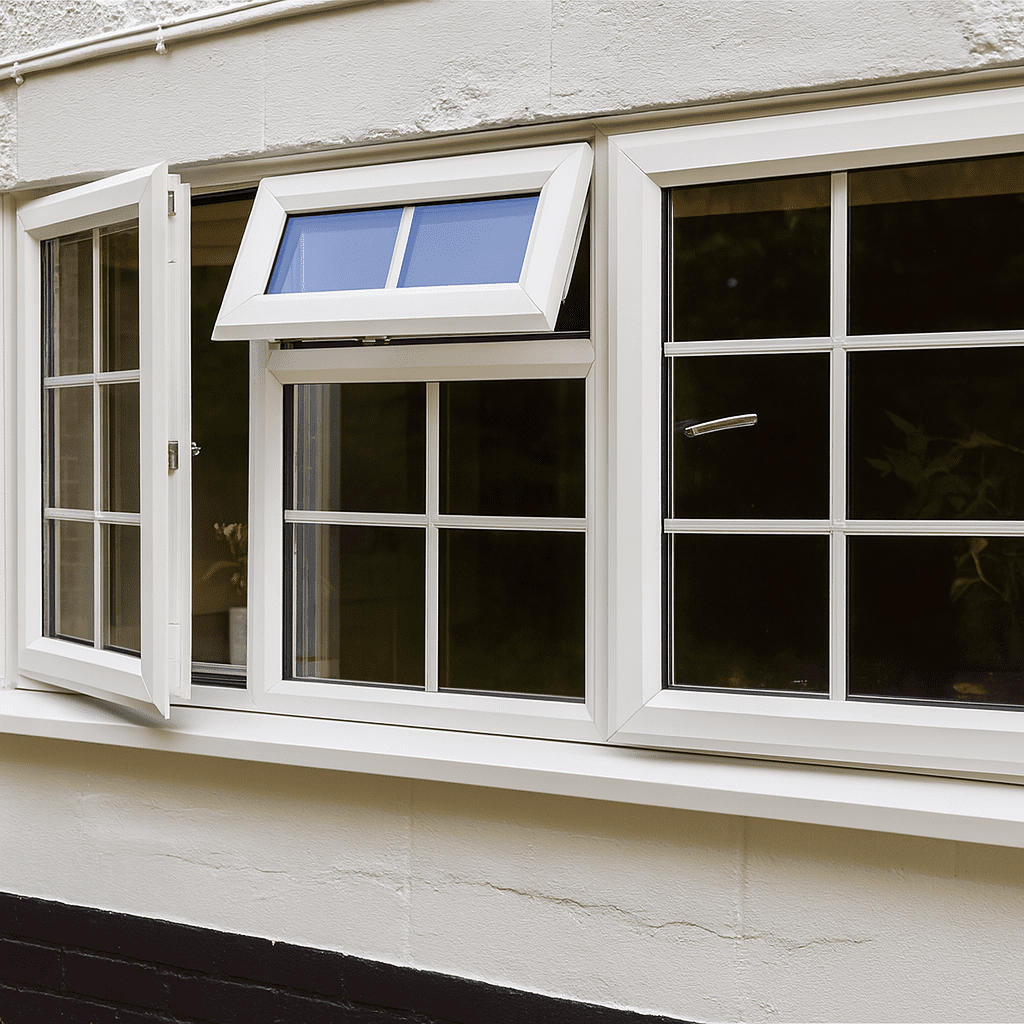
Most modern uPVC windows use a multi-point locking system. That’s a good start. However, not all systems feel the same in real life.
Look out for:
-
Key-locking handles (simple upgrade, big impact)
-
Strong keeps (the metal parts the locks bite into)
-
Shootbolts or mushroom cams (better resistance to prying than basic rollers)
If your windows feel “loose” when shut, that’s not just annoying — it can be a security weakness. In that case, the issue might be adjustment or worn hardware rather than the frame itself.
Glass matters more than most people think
A lot of homeowners assume “double glazing” automatically equals secure. It doesn’t.
For uPVC window security, glass choice matters because many break-ins are simple: smash, reach, unlock.
Consider:
-
Laminated glass for vulnerable ground-floor windows (it holds together when cracked)
-
Toughened glass where needed (stronger impact resistance, but it can still shatter)
-
Obscure/privacy glass for side windows (reduces easy “scouting” from outside)
If a window is right next to a door, or easy to reach from a flat roof, treat it as higher risk. In addition, ask what glass is being used in that exact location.
Protect the hinge side (the part burglars love)
Even with good locks, the hinge side can be attacked.
Useful upgrades include:
-
Hinge bolts (small metal pegs that stop the sash being forced off the hinges)
-
Anti-jemmy devices (reduces the chance of prying the sash away from the frame)
-
Good hinge quality (cheap hinges can loosen over time)
This is often the difference between “locks look great on paper” and “window still gets pried open”.
Simple add-ons that genuinely help
Not every add-on is worth it. These usually are:
-
Sash jammers: cheap, visible, and effective as a secondary barrier
-
Window alarms: useful for ground floor and side access areas
-
Security lighting: motion lights reduce hiding places and make noise feel riskier
-
Good curtains/blinds: basic privacy still works surprisingly well
Meanwhile, avoid paying extra for “security labels” unless you can see what you’re actually getting (lock type, glass type, hardware spec).
How to compare quotes without guessing
Two quotes can both say “secure uPVC windows” and mean very different things. So ask direct questions:
-
Do the handles lock with a key?
-
Is the locking system mushroom cams / shootbolts, or basic rollers?
-
What glass is included, and where would you recommend laminated?
-
Are hinge bolts or anti-jemmy features included on ground-floor windows?
-
What warranty covers hardware, not just the frames?
Therefore, you’ll compare like-for-like instead of comparing marketing.
Quick checklist (easy wins first)
If you want the fastest improvement in uPVC window security, do this in order:
-
Fit key-locking handles if you don’t have them
-
Add sash jammers on vulnerable windows
-
Upgrade glass to laminated where risk is higher
-
Add hinge bolts / anti-jemmy protection
-
Review lighting and visibility around side access routes
Next steps: explore door-side security too via uPVC Doors, and if you’re improving the front entrance area, sanity-check your wider upgrade budget with the Porch Cost Calculator.