uPVC windows are designed to be durable, low-maintenance and long-lasting — but they don’t last forever. Understanding their typical lifespan helps you plan ahead and avoid unexpected issues.
Average lifespan of uPVC windows
Most uPVC windows in the UK last between 20 and 35 years.
This depends on several factors:
- installation quality
- exposure to weather
- maintenance
- hardware and glazing quality
Well-installed windows in protected areas can last longer, while poorly fitted units may fail much sooner.
What affects how long they last?
Not all uPVC windows age the same way.
Key factors include:
1. Installation quality
Bad installation leads to misalignment, drafts and early wear.
2. Sun exposure
Constant UV exposure can cause fading or slight warping over time.
3. Hardware durability
Handles, hinges and locking systems usually wear out before the frame itself.
4. Glass unit performance
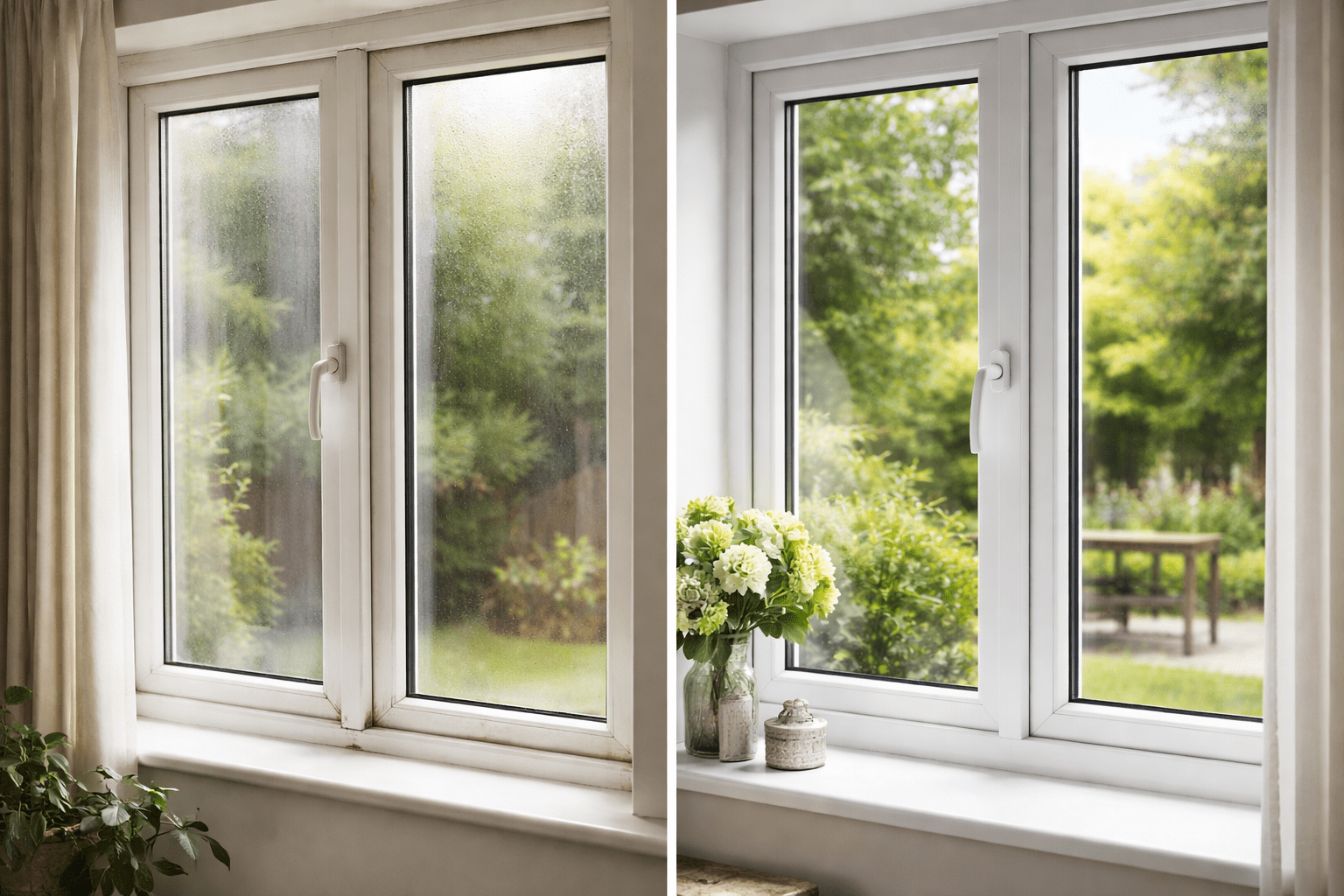
Sealed units can fail, leading to condensation between panes.
Signs your uPVC windows need replacing
Some issues can be repaired — others signal it’s time for replacement.
Look out for:
- condensation between glass panes
- noticeable drafts or heat loss
- difficulty opening or closing
- locks no longer secure properly
- visible warping or gaps in the frame
If problems keep returning, replacement is usually more cost-effective than repeated repairs.
For common faults and quick fixes, see our guide on fixing uPVC window problems.
Repair or replace?
This is where many homeowners hesitate.
Repairs make sense when:
- the issue is minor (handles, hinges, seals)
- frames are still structurally sound
Replacement is better when:
- multiple issues appear at once
- energy efficiency has dropped
- windows are over 20–25 years old
At that stage, upgrading can significantly improve comfort and reduce heating costs.
Energy efficiency matters
Older uPVC windows often fall behind modern standards.
Newer units offer:
- better insulation
- improved glazing technology
- stronger sealing systems
This is especially important if your current windows feel cold or draughty.
For a deeper understanding, see our guide on uPVC window energy ratings explained.
Understanding replacement costs
Window replacement costs vary depending on:
- size and number of windows
- glazing type
- frame quality
- installation complexity
Before speaking to installers, it helps to understand realistic pricing.
You can use the uPVC window cost calculator on Bestpricevalue.com to get an accurate estimate based on your property and preferences.
Final thoughts
uPVC windows are built to last decades — but performance matters just as much as age. Waiting too long to replace failing windows can lead to higher energy bills, reduced security and ongoing maintenance costs.
Replacing at the right time ensures better comfort, efficiency and long-term value.
For more practical home improvement advice and real-world insights, you can follow Bestpricevalue.com on Instagram, where we regularly share updates and tips.