If your uPVC front or back door looks tired, yellowed, or dated, painting can feel like the quickest way to modernise it without paying for a full replacement. But not all uPVC doors are paint-friendly, and not all “uPVC paint” jobs last—especially on south-facing doors, exposed porches, or frequently used back doors.
This article explains what works, what doesn’t, how long you can realistically expect a painted finish to hold up, and when a replacement quote is the better value (especially if your door is part of a connected door + side window frame).
1) Can you paint a uPVC door?
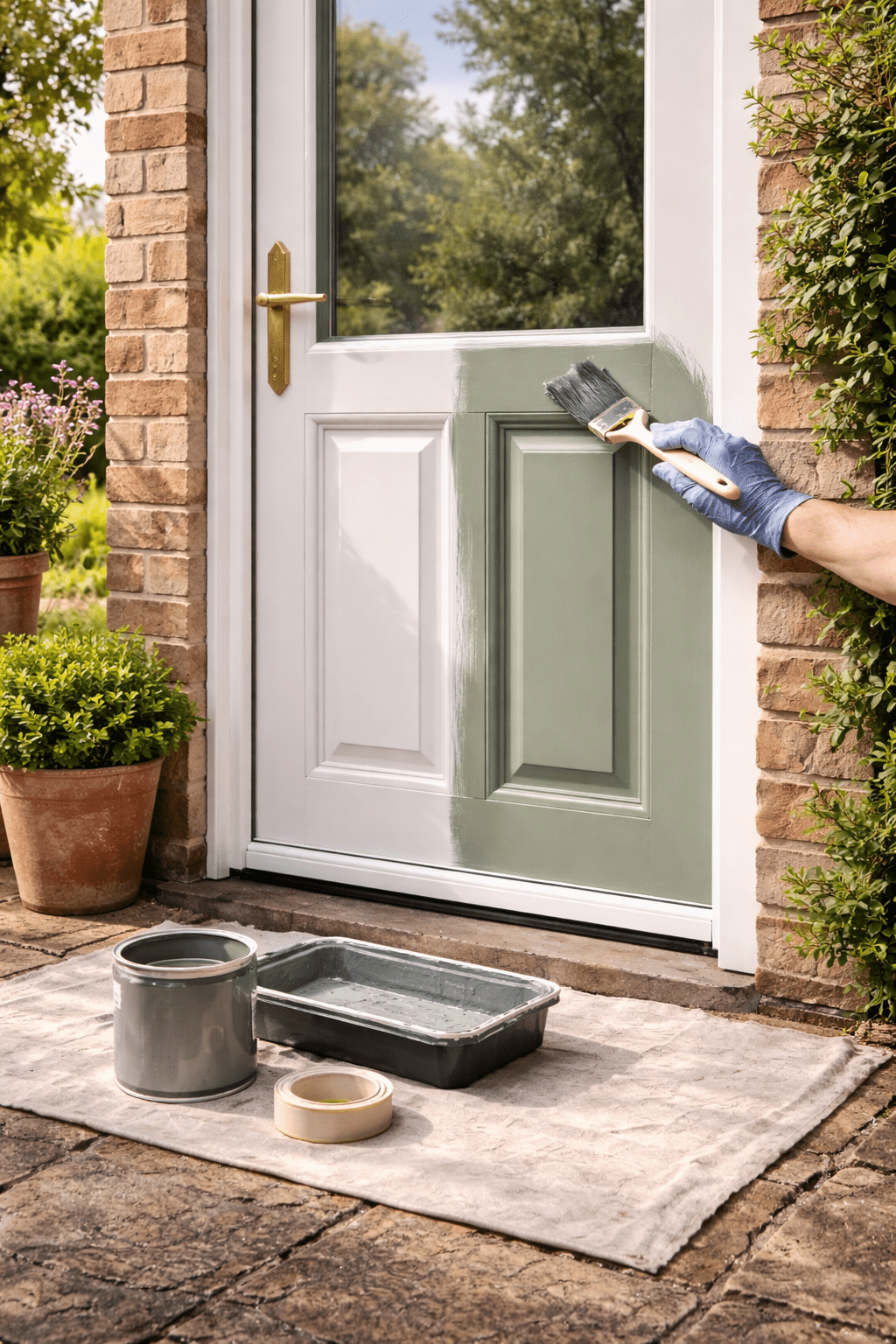
Yes—but only if you use the right prep and the right paint system.
uPVC is smooth and non-porous, so standard paints don’t bond properly. That’s why many DIY jobs look fine for a month and then start peeling around:
-
the handle area
-
letterbox edges
-
door edges (where it closes)
-
panels that catch direct sun
Painting can be a great option if:
-
the door is structurally sound
-
the seal is still good
-
the locking points line up well
-
you’re mainly fixing appearance (colour fade, cosmetic scuffs)
Painting is usually a poor option if:
-
the door is warped or bowing
-
you’ve got ongoing draughts or water ingress
-
the lock keeps sticking because alignment is off
-
you’re trying to “hide” deeper wear (it’ll come back)
2) What paint actually lasts on uPVC?
The best-performing systems are usually two-part or specialist uPVC-compatible coatings, applied after proper adhesion prep.
In plain English:
-
Specialist uPVC paint (designed for plastics) + proper primer = best chance of durability
-
Generic exterior gloss = most likely to peel
-
Cheap “one-coat miracle” paint = often fails at edges and high-touch areas
If you’re hiring a pro, ask:
-
What prep method do they use? (degrease + keying/sanding + adhesion promoter)
-
Do they use a dedicated uPVC primer / plastic adhesion promoter?
-
What topcoat system is it (and what warranty do they offer on the finish)?
3) The prep steps that matter (this is where most jobs fail)
If you only remember one thing: prep is the job.
A reliable process usually includes:
-
Deep clean + degrease (uPVC holds invisible oils and residue)
-
Light abrasion / keying to help the coating bond
-
Adhesion promoter / uPVC primer (critical for long-term hold)
-
Thin coats rather than one heavy coat
-
Cure time before heavy use (handles/edges take the most abuse)
Common mistakes:
-
painting in cold or damp conditions
-
skipping primer because “the tin says no primer needed”
-
painting over silicone residue around glazing/seals
-
closing the door too soon (edges stick and tear the paint)
4) How long does a painted uPVC door last?
Realistic expectations (UK conditions):
-
DIY painting (average prep): often looks good for a season, then chips/peels in touch points
-
Good DIY with correct system: can last a few years with careful use
-
Professional spray finish: typically the most durable option, especially for modern colours
Sun exposure matters a lot:
-
dark colours on south-facing doors fade faster
-
heat makes expansion/contraction worse at joints and edges
If you’re choosing a bold, dark colour (anthracite, black, deep green), aim for:
-
a system designed for uPVC movement
-
a finish known for UV resistance
-
a pro job if the door is highly exposed
5) Painting vs replacing: what’s the smarter value?
Painting makes sense when:
-
you like the door layout
-
the door is secure and aligned
-
you want a cosmetic refresh
-
you don’t need better insulation/security
Replacing makes more sense when you also want:
-
better thermal performance (less cold around the door)
-
improved security hardware and cylinder spec
-
a fresh multi-point lock and hinges that align correctly
-
a warranty that covers function, not just appearance
The same rules apply to frames — prep, paint system, and exposure make a huge difference. We covered it step-by-step in our uPVC window paint article here: https://bestpricevalue.com/upvc-window-paint/
6) Important: some “door replacements” aren’t door-only
Here’s a detail that catches homeowners out—especially on back doors.
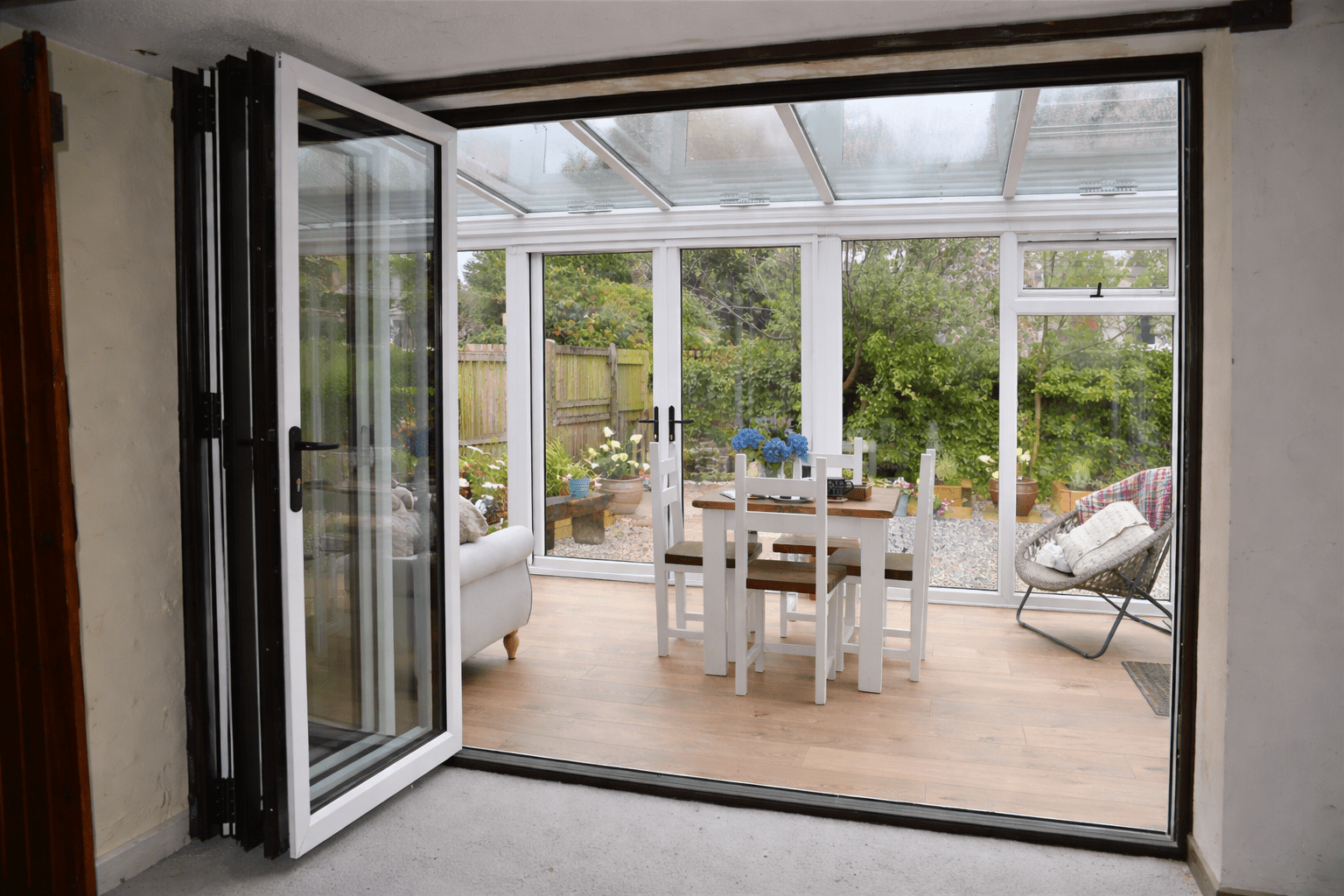
If your uPVC door is connected to a side window (shared frame / coupled units), many installers can’t—or won’t—replace just the door without disturbing the whole assembly.
Why?
-
Some firms prefer to fix into brickwork or a reinforced adjacent unit for strength and long-term stability.
-
Many standard uPVC window/door frames aren’t reinforced in the way certain installers want.
-
In practice, it can be safer and cleaner to replace the door + connected window frame together rather than “patching” one part.
So even if you “only want the door,” you may be quoted for:
-
door + side window replacement
-
a new coupled frame / reinforced sections
-
extra making-good around the opening
✅ If you’re weighing paint vs door-only replacement vs replacing the whole set, use the Double Glazing Cost Calculator on Bestpricevalue.com to price the combined option too—so you’re comparing like-for-like before you book surveys.
7) What finish looks “new” the longest?
If your goal is maximum “new door” look, these usually hold up best:
-
smooth satin/matte professional finishes (less obvious touch marks)
-
mid-tone colours (show less fading than deep dark shades)
-
clean edge work around glazing beads and trims
If your door has deep texture or woodgrain foil:
-
painting is possible, but the texture can telegraph through
-
you may not get the “factory fresh” look without pro spraying
8) Quick checklist before you decide
Ask yourself:
-
Is the door secure and aligned (no lock struggle, no rubbing)?
-
Are there draughts or water ingress (seal issues)?
-
Is the door part of a connected frame with a side window?
-
Do you want better insulation/security, not just colour?
If you answered “yes” to alignment/security/comfort problems, get a replacement range first:
-
uPVC Door cornerstone page (start here)
-
Home Security Guide (what to ask for)
-
Double Glazing Cost Calculator (benchmark your quote range)