Security is often the first concern when choosing a new front or back door. uPVC doors are widely used across the UK because they are affordable, energy-efficient and low maintenance. But homeowners often ask the same question: are uPVC doors actually secure enough for modern homes?
The short answer is yes — but only when the door system includes the right locking hardware, reinforcement and installation quality.
Multi-point locking systems make a big difference
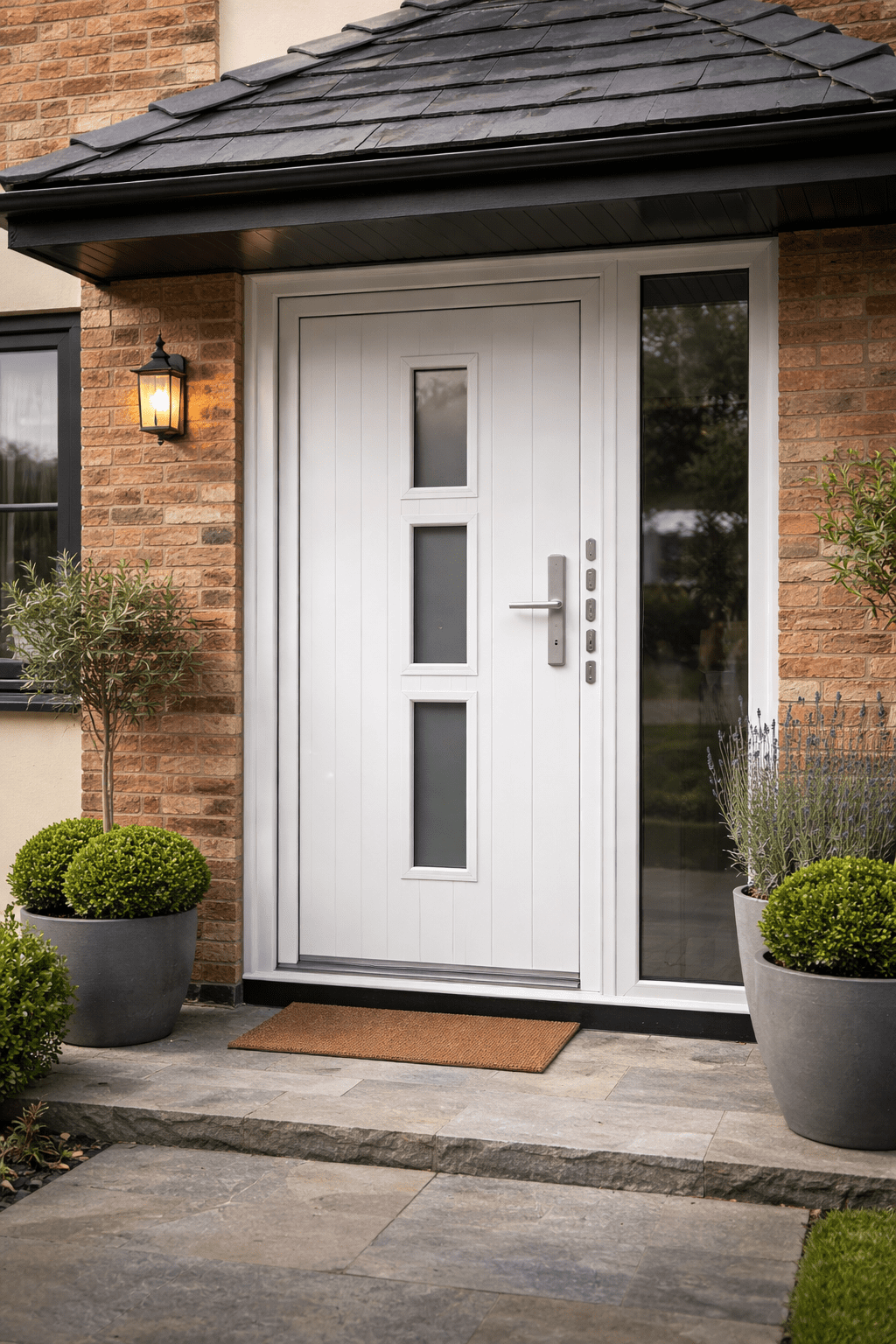
Most modern uPVC doors use a multi-point locking system. Instead of locking in one place like older doors, the mechanism secures the door at several points along the frame.
This typically includes:
-
a central lock and handle
-
hook bolts or rollers
-
additional locking points at the top and bottom of the door
When engaged, the door pulls tightly into the frame, which improves both security and weather sealing.
Higher-quality systems may also include anti-snap cylinders or anti-drill protection, which reduces the risk of forced entry.
Reinforced frames improve strength
One common misconception is that uPVC doors are made entirely from plastic. In reality, most quality systems include steel or aluminium reinforcement inside the frame and sash.
This reinforcement provides structural strength and prevents the door from bending or twisting under pressure.
Without internal reinforcement, cheaper doors can feel flexible and less secure. That is why certification standards and installation quality matter when comparing quotes.
Glazing and security go hand in hand
Glass panels can affect door security depending on their specification. Many modern uPVC doors use laminated or toughened safety glass, which is far harder to break than older double-glazed units.
Some systems also position glazing units internally or include security beads so the glass cannot easily be removed from outside.
These details may seem small, but they significantly increase overall door security.
Security certifications worth checking
When comparing installers, it is worth checking whether the door meets recognised UK security standards.
Common certifications include:
-
PAS 24 enhanced security testing
-
Secured by Design police-approved products
-
FENSA or CERTASS registered installers
These standards ensure the door system has been tested against forced entry methods used in burglary attempts.
Security depends on installation too
Even the best door system will perform poorly if installed incorrectly. A properly fitted frame, secure fixings and accurate alignment are essential for the locking system to work as intended.
That is why choosing experienced installers is just as important as choosing the door itself.
On Bestpricevalue.com, installers are shortlisted based on certifications, experience and customer reviews to help homeowners avoid unreliable trades.
The bottom line
Modern uPVC doors can be highly secure when they include reinforced frames, multi-point locking systems and certified hardware. For most homes, they offer a strong balance between affordability, energy efficiency and protection.
Before requesting quotes, it can also help to understand realistic price ranges for new doors and installation. Our double glazing cost calculator can give you an estimated price range based on typical UK installations.
You can also follow Bestpricevalue.com on LinkedIn to see home improvement insights, installation tips and new guides as they are published.